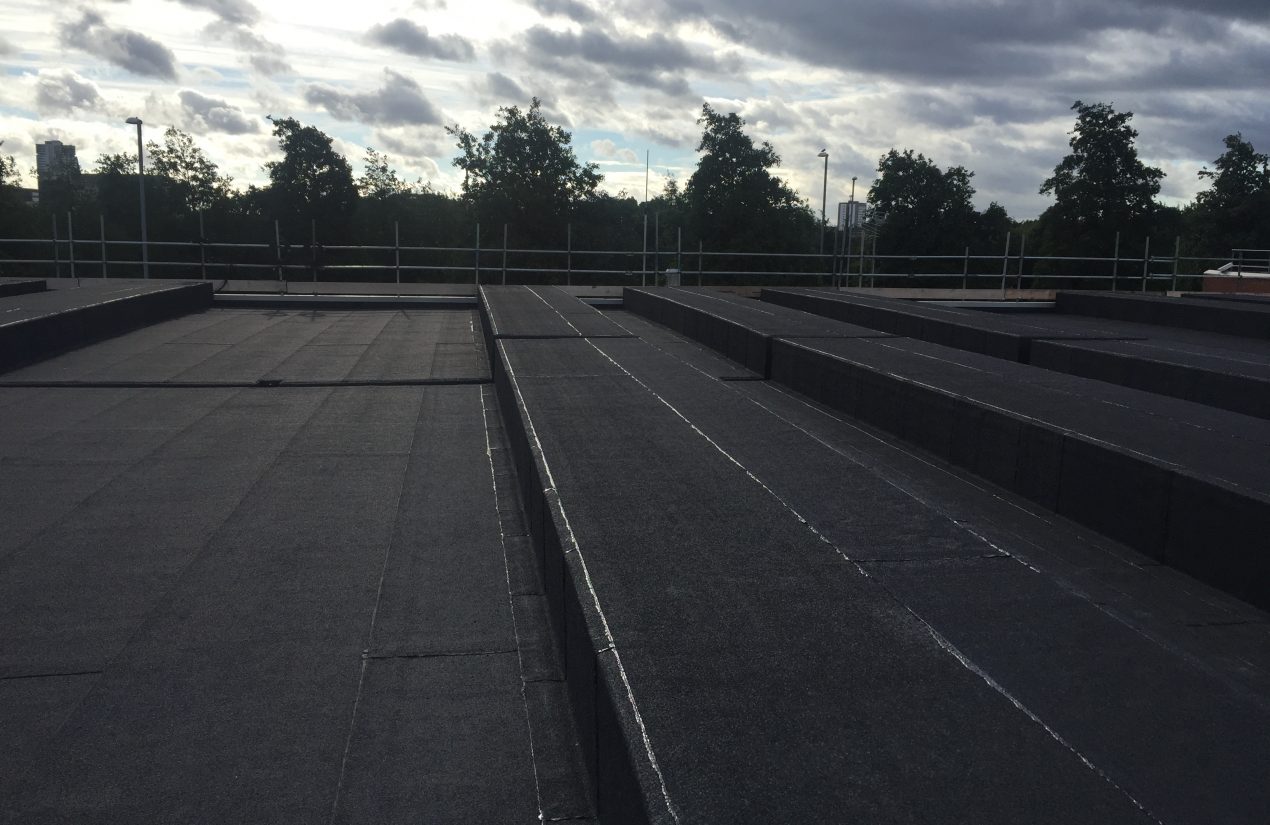
Felt roofing systems for commercial and industrial buildings
NWIR install market-leading felt roofing systems across the UK, covering torch-on, self-adhesive, safe-to-torch, warm roof and inverted roof specifications in APAO, SBS and APP modified bitumen membranes.
Which felt roofing system is right for you?
Torch-on felt roofing systems
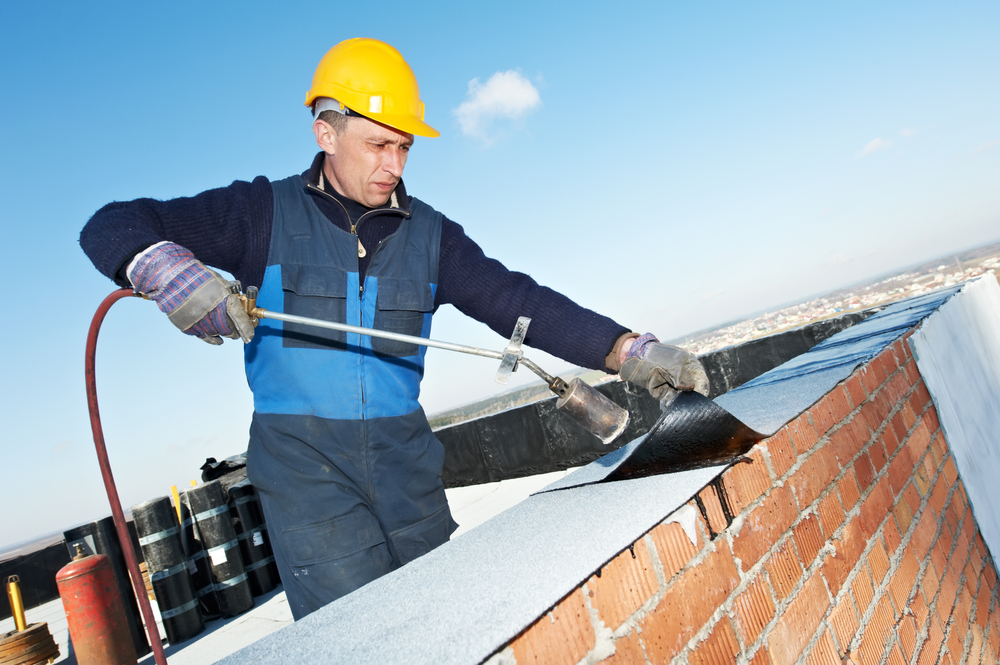
Torch-on is the most common specification for commercial flat roofs. It involved using a gas torch to heat and bond each layer of modified bitumen membrane to create a seamless, fully adhered waterproof barrier.
Torch-on felt systems are installed as a three-layer build-up of an underlay, intermediate sheet and mineral faced cap sheet and offer excellent durability across industrial and commercial applications.
Both SBS (Styrene Butadiene Styrene) and APP (Atactic Polypropylene) modified bitumen membranes are available. SBS membranes are more flexible and better for roofs dealing with thermal movement. APP membranes offer better UV resistance and perform well on low-pitch roofs with risks from standing water.
Safe-to-torch felt systems
If working with naked flame is restricted, like in occupied buildings, roofs above sensitive areas or where it’s difficult to get a hot work permit, safe-to-torch systems are a good alternative. These membranes bond effectively with much less flame required, so you get the same performance of a torch-on system but without any risks or need for a permit.
Self-adhesive felt roof systems
Self-adhesive felt systems use a pressure-sensitive bitumen adhesive backing, rather than a flame, and are one of the lowest-disruption options if we’re working on an occupied building where flames aren’t allowed.
Self-adhesive systems are particularly good for overlaying existing waterproof systems, where the substrate condition allows, which can reduce the cost and waste you might get with a full strip-out.
If your roof condition survey confirms your existing build-up is structurally sound, this could be a good option.
Warm roof felt systems
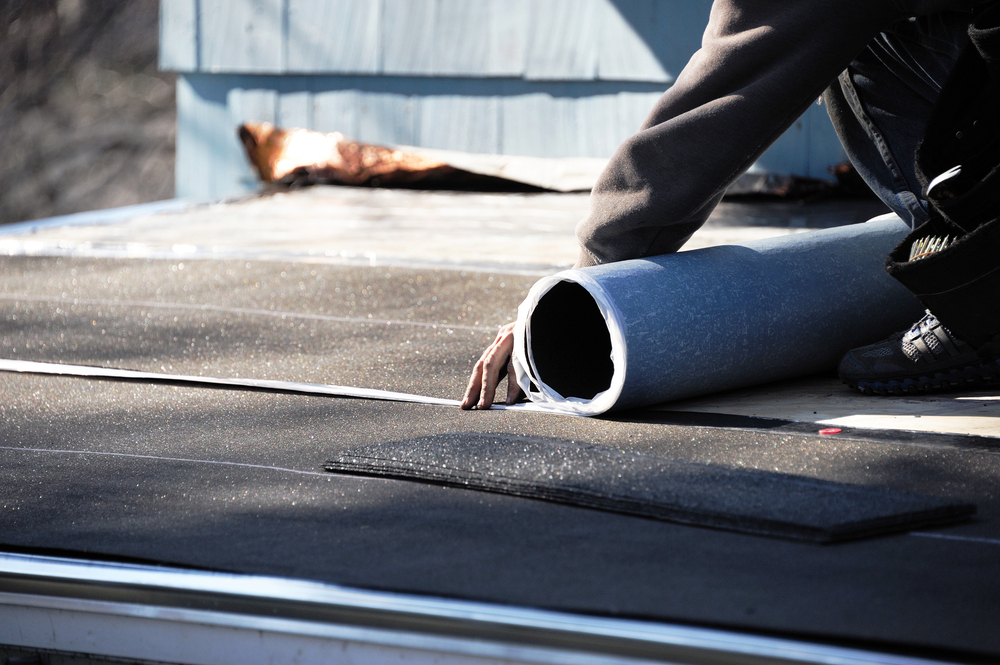
Current building regulations require new flat roofs (and many refurbishments) to meet minimum thermal performance standards. A warm roof places insulation above the structural deck and below the waterproofing membrane, keeping the back at a stable temperature and preventing interstitial condensation.
Upgrading to a warm roof when refurbishing a commercial or industrial building can help make your building more energy efficient, reduce heat loss, lower energy costs and help you meet regulations.
Inverted roof felt systems
An inverted roof puts the insulation above the waterproofing membrane instead of below it, which protects the membrane from UV degradation, thermal stress or physical damage.
Inverted roofs are especially good for green roof applications, any roof that gets a lot of foot traffic or when you’re planning on planted or ballasted finished.
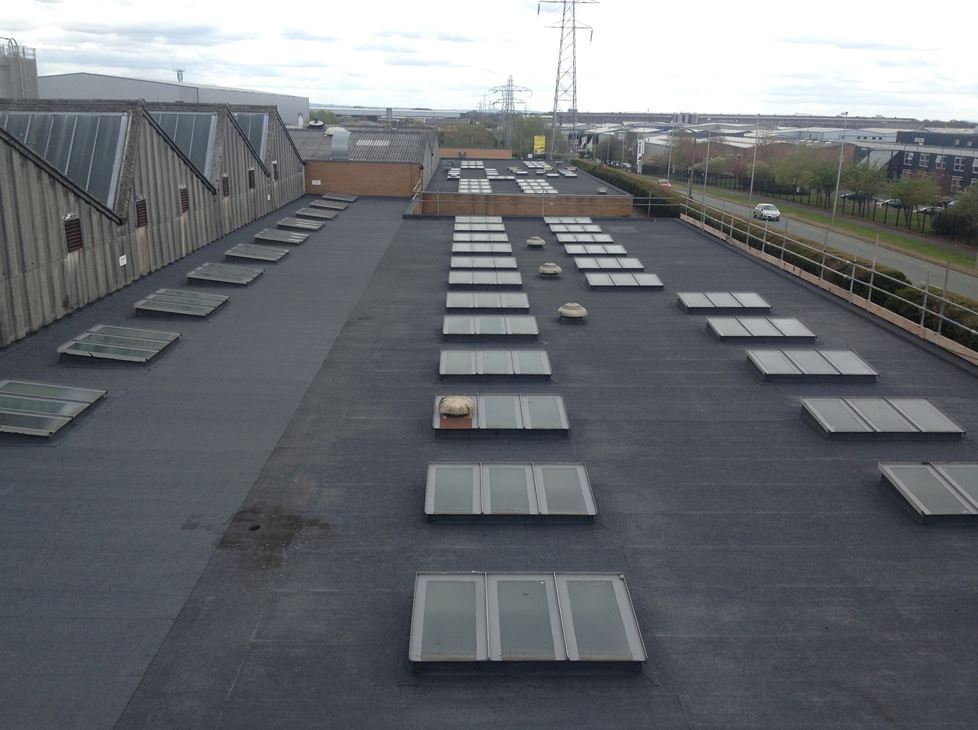
What is roofing felt made from?
- Bitumen base
Either SBS or APP modified bitumen, giving the membrane waterproofing performance and flexibility. SBS has the benefit of remaining pliable in cold conditions, while APP is better for UV resistance and heat tolerance.
- The carrier
This is a polyester layer for reinforcement, giving better strength and dimensional stability and preventing the membrane from stretching or splitting due to thermal movement or higher structural loads.
- Surface finish
Cap sheets are usually finished with mineral granules, protecting the membrane from UV degradation while providing a slip-resistant and durable surface. You can also get smooth finish cap sheets if a paint or coating system is being applied to the roof.
The choice of SBS or APP, and the number of layers in the build-up will be specified based on the age of your roof, its use and any findings in your condition report.
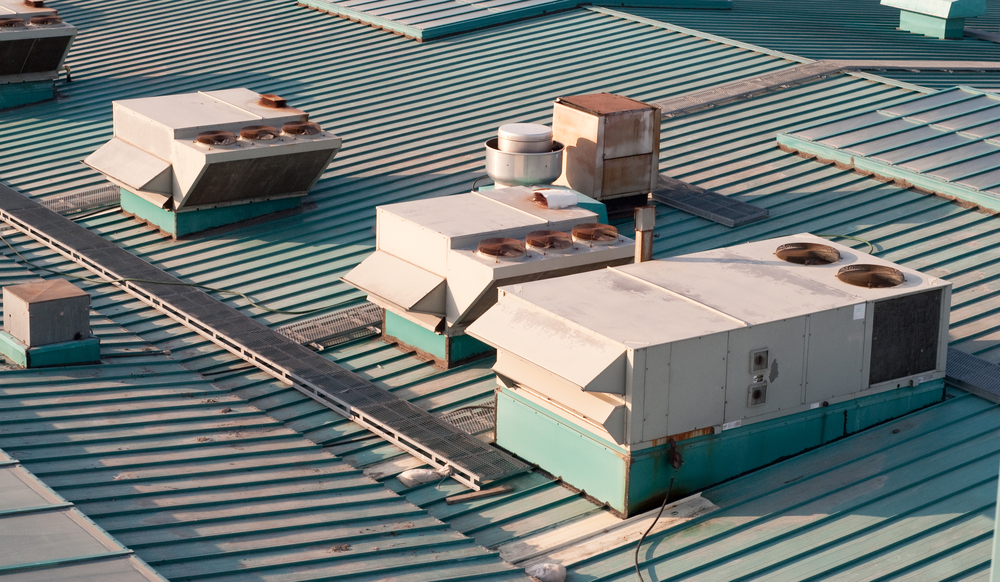
Why felt roofing works for commercial buildings
- Long service life: A properly installed torch-on felt roof system performs well for 20-30 years. Manufacturer guarantees of 10-15 years are standard on high quality membrane systems.
- Cost effectiveness: Felt roofing typically gives you a lower installation cost per square metre when compared to GRP fibreglass or EPDM rubber systems.
- Proven waterproof performance: Fully adhered, multi-layer build-up creates a robust waterproof barrier with no need for mechanical fixings or exposed seams.
- Low ongoing maintenance: Except for periodic inspection or minor repairs, felt roofing systems in good condition don’t need much maintenance work.
- Thermal insulation and better energy efficiency: When installed as a warm roof build-up, felt roofing delivers improvements to U-value performance and significant reductions in heat loss.
- Suitable for large commercial roofs: Felt systems can be installed across any sized industrial or commercial roof without the joint frequency or difficulty you could experience with some alternatives.
How NWIR install felt roofing systems
1. Roof condition survey
Our surveyors complete a full condition assessment, including moisture scanning to map wet insulation, and photographic evidence of any existing defects. Your survey ensures any specification is based on the actual state of your roof.
2. Specification and proposal
Based on the findings of your survey, you’ll get a written specification and proposal detailing the system, build-up, lifespan and scope of work for your project. If an overlay is needed (which could save costs by avoiding a full strip out), this will be in your proposal.
3. Preparation and priming
We’ll clean your existing deck, carry out any repairs that are needed and prime the deck to ensure adhesion of your felt roof. If insulation is being installed as part of a warm roof build-up, we’ll lay and fix it at this stage.
4. Membrane installation
We’ll install your felt roofing system in layers starting with a vapour control layer, insulation (when needed), underlay and cap sheet. All laps, upstands, flashings and penetrations are dressed and detailed to prevent water ingress at vulnerable points.
5. Inspection and handover
After we’ve completed the work, a final inspection is carried out across the entire installation including photographic documentation. Your guarantee paperwork will be issued and you’ll get a full post-installation condition report for your records.
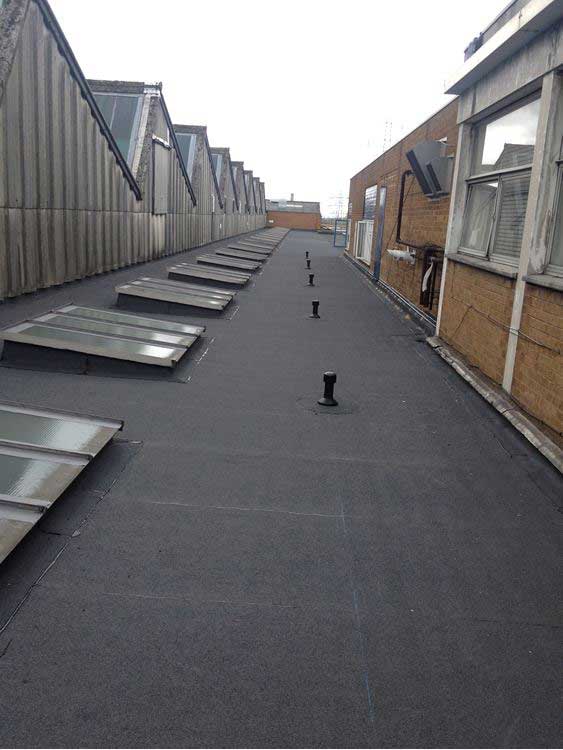
How long does a felt roof last? And when should it be replaced?
When installed to correct specifications, a commercial felt roofing system typically lasts for 20-30 years. But lifespan depends on three things:
- Whether the system was installed correctly in the first place
- The quality of the membrane system
- Whether minor defects are caught and repaired before they become bigger issues
Booking an annual roof inspection is the best way to protect your investment in the long term.
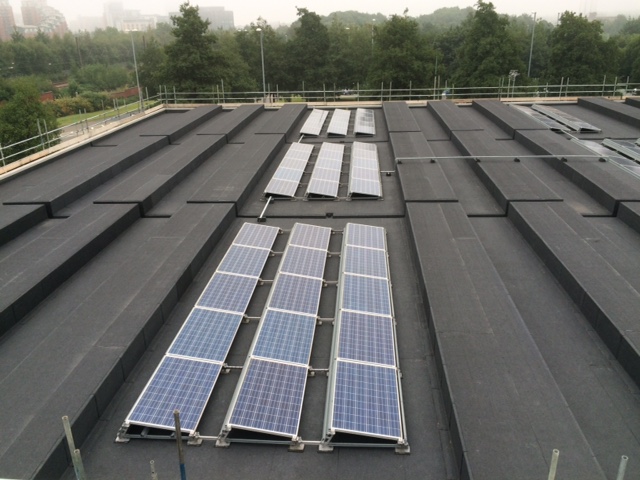
Signs your felt roof needs attention
- Tears and cracks: These are usually caused by thermal movement or UV degradation. Surface cracks that haven’t penetrated the full depth of the membrane can usually be repaired. Any full-depth splits need to be dealt with asap.
- Bubbling and blistering: Blisters form on felt roofing when moisture is trapped during the installation, or from a previous lead expanding under heat. Any small blisters can be fixed, but widespread or extreme blistering usually means the adhesive has failed completely and could need a full replacement.
- Ponding water: Any standing water that doesn’t drain away within 48 hours can speed up how quickly your membrane degrades, increasing any risk of failure at lap joints. Tapered insulation schemes can be used for refurbishment that can create natural falls and reduce ponding.
- Moss, algae or organic growth: Any organic growth on a felt roof is a sign of moisture retention. If it’s not treated, roots from moss and algae can get into the membrane and break it down. Any treatment and removal should be part of your annual roof maintenance programme.
If you’re not certain or are worried about the condition of your roof, a professional condition survey by NWIR experts can give you a clearer picture of what’s happening.
Felt roofing vs EPDM and GRP
For commercial flat roofs, felt roofing isn’t the only option. EPDM rubber roofing and GRP fibreglass are common alternatives. Here’s a quick comparison.
Felt vs EPDM
EPDM gives excellent long-term flexibility and UV resistance and performs well in roofs with irregular surfaces. But the installed cost per square metre is usually higher than felt, and it also needs specialist skills to ensure seam integrity on large roofs.
Felt vs GRP fibreglass
GRP is a premium spec that offers durability and resistance to heavy foot traffic. It’s usually the preferred choice for accessible roofs on warehouses and industrial units. But it’s got a much higher installation cost than felt, and can be more sensitive to weather conditions.